
Quick Read
- Tesla aims to start Cybercab robotaxi production in April 2025, pending regulatory approval.
- Analysts project robotaxi services could make up the majority of Tesla’s enterprise value by 2029.
- Deutsche Bank and Truist raised Tesla’s price targets after strong Q4 2025 delivery results.
If there’s one company that seems perpetually on the edge of transforming the way we move, it’s Tesla. As the calendar turns to 2025, the electric vehicle pioneer is not just selling cars—it’s laying the groundwork for what could become a seismic shift in urban transportation: the rise of the robotaxi.
At Tesla’s recent annual general meeting, CEO Elon Musk offered a glimpse into the company’s roadmap. The year ahead isn’t only about new vehicles; it’s about new categories. Musk confirmed production plans for three major products set to launch in 2026: the heavy-duty Tesla Semi, the humanoid Optimus robot, and, most crucially, the dedicated robotaxi known as the Cybercab. Yet among these, it’s the robotaxi service that commands the spotlight, with analysts and investors watching closely.
Why the fuss over robotaxis? According to The Motley Fool, the robotaxi business could soon eclipse Tesla’s traditional car sales. Cathie Wood of Ark Invest projects that by 2029, 88% of Tesla’s value may derive from robotaxis, compared to just 9% from conventional electric vehicles. That’s a bold prediction, hinging on Tesla’s ability to roll out a fully autonomous ride-hailing network—a plan that’s ambitious, risky, and potentially game-changing.
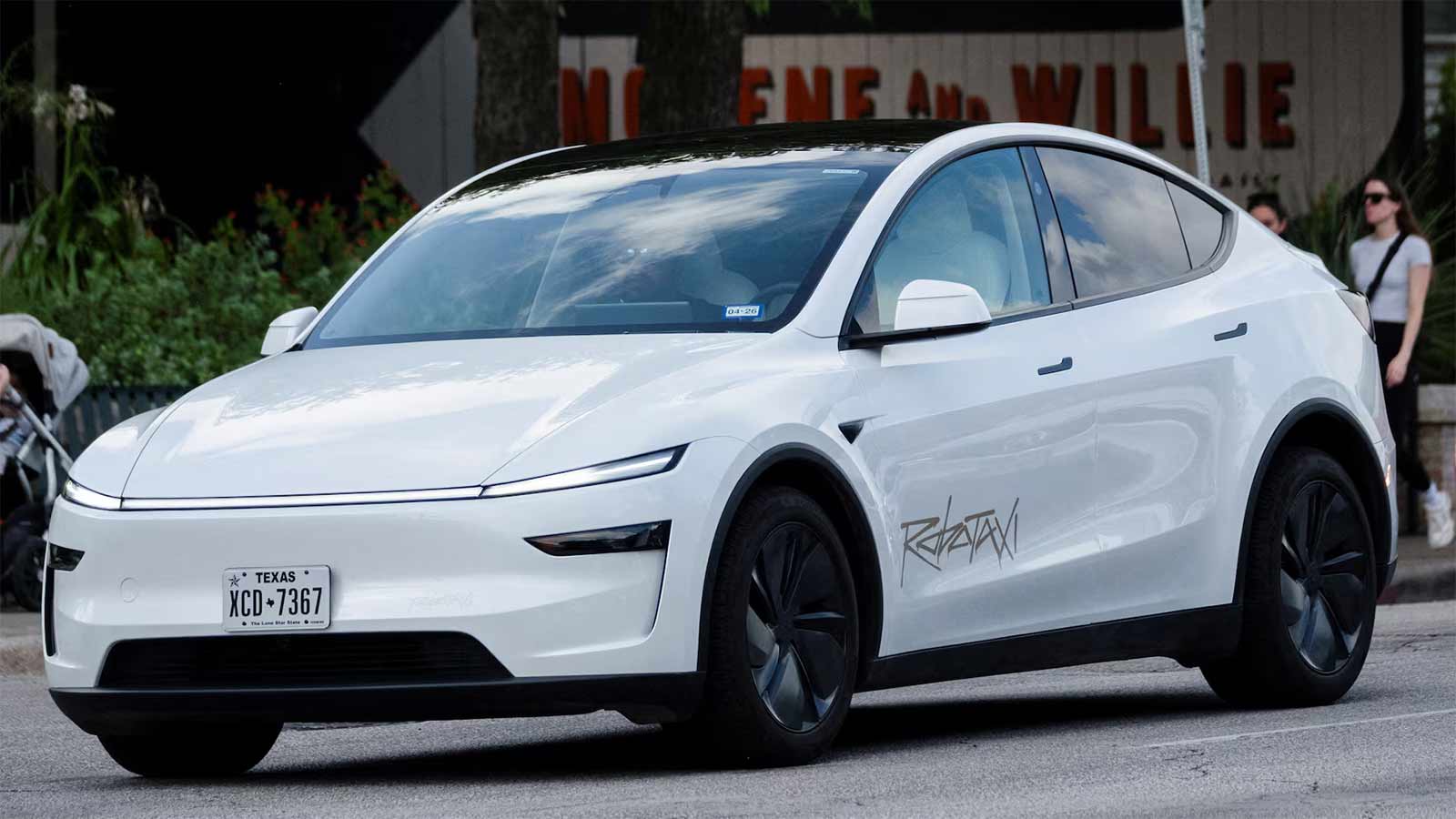
As of now, Tesla’s robotaxi service is still in its infancy. The company hasn’t yet launched commercial operations without safety drivers, nor has it begun mass production of Cybercabs. The vehicles currently running test services are mostly Model Ys, not the futuristic, steering-wheel-free Cybercabs envisioned for the next phase. Production of the Cybercab is scheduled to begin in April, but the real challenge lies elsewhere: regulatory approval for unsupervised full self-driving (FSD).
This hurdle is not a minor one. To truly unleash robotaxis, Tesla needs the green light for cars to operate without a human at the helm—not just in isolated test environments, but across cities and continents. Tesla aims to secure supervised FSD approvals in Europe as early as February 2026, a move that could boost consumer awareness and pave the way for broader deployment. Yet, without regulatory backing for unsupervised operation, ramping up Cybercab production would be a leap of faith—one that could leave Tesla with a fleet of vehicles unable to fulfill their intended purpose.
Elon Musk, never one to shy away from high stakes, addressed these concerns head-on. He assured shareholders that the pace of regulatory approval would roughly match the rate of Cybercab production, suggesting that as Tesla’s safety data improves, regulators would have “fewer and fewer reasons to say no.” He pointed to rival Waymo’s robotaxi deployments and Tesla’s own pilot in Austin as signs of growing acceptance for autonomous vehicles. Still, the reality is nuanced: initial approvals may cover only limited areas, potentially slowing the scale-up Tesla is banking on.
Meanwhile, Tesla’s core business remains robust. In December 2025, Deutsche Bank raised its price target on Tesla shares to $500, citing strong Q4 delivery figures—a sign that demand for Tesla’s products remains high. Truist also upped its target, highlighting the undervaluation of AI-focused stocks and predicting continued growth in AI-related capital expenditures. Even Goldman Sachs, maintaining a more cautious stance with a $400 target, sees minimal risk to Tesla’s overall sales volume.
Tesla’s two main segments—Automotive and Energy Generation & Storage—continue to drive global expansion. The company designs, manufactures, and sells vehicles and energy systems in the US, China, and beyond. Its high-volume delivery performance in late 2025 has energized analysts and reinforced Tesla’s reputation as a market leader.
But the story of Tesla in 2025 isn’t just about numbers. It’s about the tension between innovation and regulation, vision and execution. The robotaxi project is a microcosm of this: a dazzling promise that could redefine mobility, but only if the practical hurdles—technical, legal, and social—can be overcome.
For now, driverless robotaxis are being tested without passengers in Austin, and Tesla boasts 6.9 billion miles of data from supervised FSD—numbers that suggest its systems may already be safer than human drivers. Yet critics point out that real-world robotaxi safety data is still scarce, and widespread deployment remains a hope rather than a certainty.
Looking ahead, 2026 is poised to be a pivotal year for Tesla’s robotaxi ambitions. Investors should temper their excitement with patience: regulatory approvals, manufacturing ramp-ups, and market adoption won’t happen overnight. But if Tesla can align its technological advances with regulatory realities, the company could not only transform its own business but also change the way millions experience transportation.
Based on the facts presented, Tesla’s trajectory in 2025 is defined by a delicate balance: surging market optimism and strong delivery figures on one side, and the uncertain, regulation-dependent future of autonomous robotaxis on the other. The company’s ability to navigate this landscape—leveraging its data, convincing regulators, and scaling production at the right moment—will determine whether it simply leads the electric vehicle market or fundamentally redefines it.
Sources: The Motley Fool, Yahoo Finance